What She Started, Ghana Must Finish
24 – 26 March 2026 · African University of Communications and Business, Accra
Three days. One campus. A country's literary soul on the table. From Tuesday 24 to Thursday 26 March, the Ama Ata Aidoo Centre for Creative Writing at AUCB threw its doors open and invited anyone who cared about Ghanaian literature to come and sit with it for a while. The events were free. The conversations were not comfortable. That was the point.
The opening day transformed the Sam Quaicoe Library into a dynamic cultural arena. A compelling conversation between Dr. Martin Egblewogbe and author Boakyewaa Glover reflected on writing, discipline, and the uncompromising spirit of Ama Ata Aidoo. Glover's anecdote about Aidoo correcting her use of the word 'invite' to 'invitation' drew both laughter and admiration.
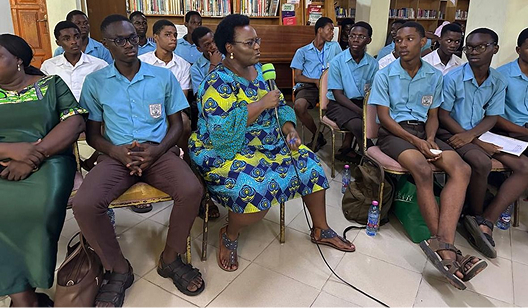
The most sombre note of the afternoon came from Kinna Likimani, daughter of the late Ama Ata Aidoo, who told the room that Ghanaian adults have not yet built the civilisation their children need. She also highlighted the impact of AI on their generation: 'You are the first generation where AI is being broadly deployed, and you have to learn how to use it responsibly while thinking for yourselves.'
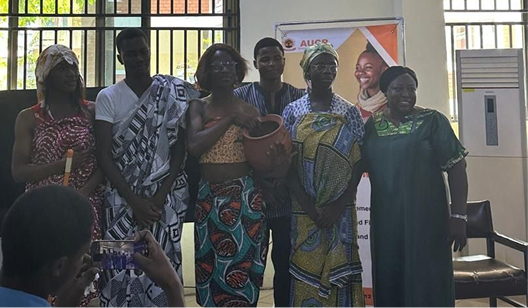
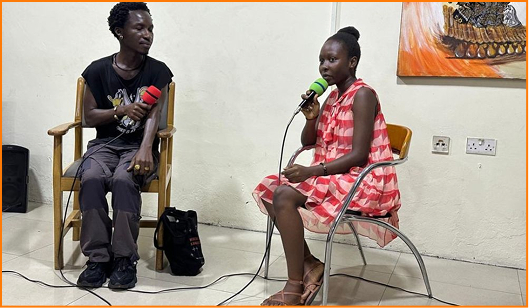
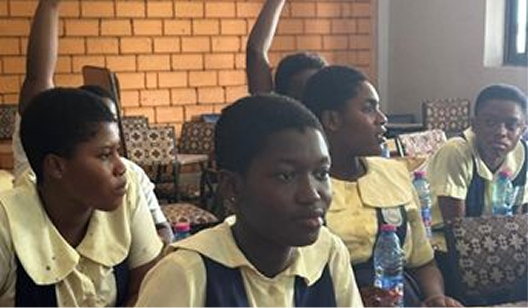
Students from St. Thomas Aquinas Senior High School performed a dramatic reading of Aidoo's play The Late Bud. Their costumes, movements, and deliveries made the performance lively and engaging. A dialogue session followed, led by journalism senior Farida Kumah Rafiqu, where students shared reflections and discussed themes of empathy, acceptance, and personal growth.
The day ended with a film screening of Certain Winds from the South, a film adaptation of a short story from No Sweetness Here by Ama Ata Aidoo. With popcorn and drinks, the setting felt just like a cinema hall. After the screening, an interactive session with director Eric Gyamfi turned the question of what young people want to watch back to the audience itself.
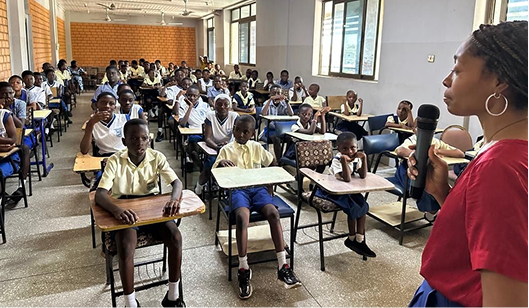
Over 60 primary school pupils from Josephus Memorial School and Hampstead Academy joined university students at AUCB, transforming Hall F6 into a lively scene of songs, laughter, refreshments, and shared reading. International broadcast journalist Niara Afrika engaged the pupils in an interactive reading of Dabodabo Akosua by Anokye Wiredu.
Later in the day, a roundtable discussion asked a pressing question: 'Ghana Writes, But Who Reads? Reimagining the Future of Literature in Ghana.' The panel — featuring authors Nana S. Achampong, Deborah Titus Glover, Oswald Okaitei, and journalist Niara Afrika — examined the gap between literary production and readership. A recurring consensus emerged: Ghana does not lack writers; it must cultivate readers.
"Reading a book is travelling without a visa."
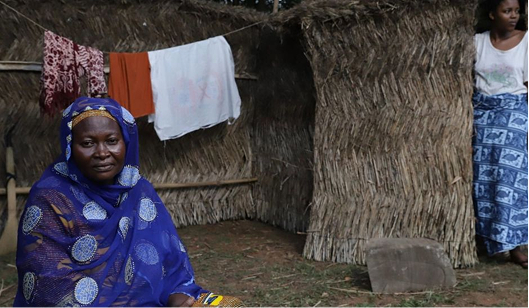
The final afternoon opened with a screening of Ampe — seventeen minutes directed by Ife Oluwamuyide and Claudia Owusu. The title alone did something to the women in the room. A word from childhood, carrying the weight of schoolyards and compounds and the particular sound of girls playing in the late afternoon. The film traced what happens to the things girls learn in play — the cooperation, the attentiveness, the ability to read another person's movement — and how these travel forward into womanhood.
"We should try to create a space in our life to play. Life is not always that serious."— Ife Oluwamuyide
Across three days, the Ama Ata Aidoo Day 2026 demonstrated that literature is not confined to bookshelves. It lives in conversation, performance, film, and community engagement. This was not just an event. It was the beginning of a tradition.